
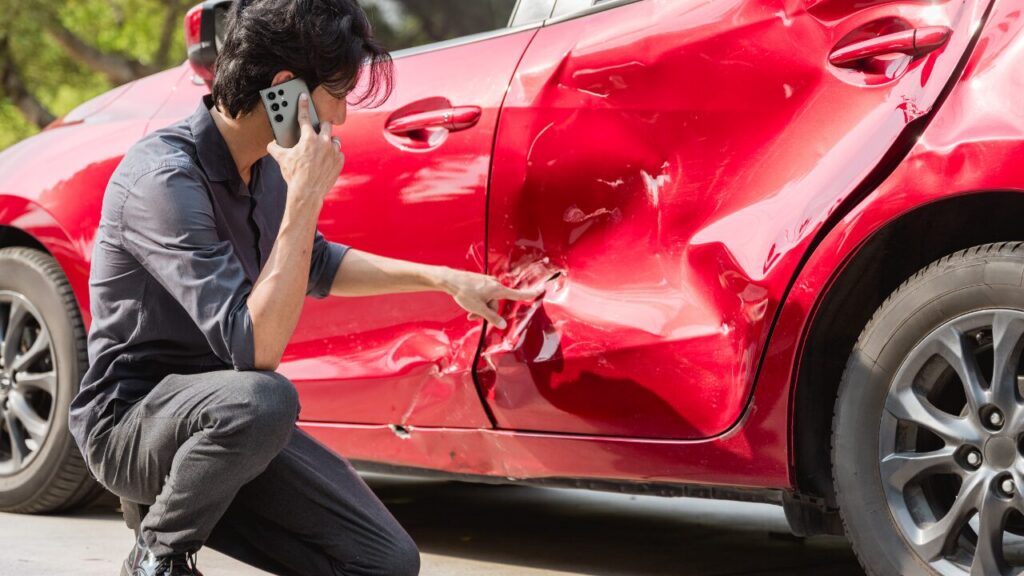
Uber and Lyft have made transportation more convenient throughout Los Angeles and across California. However, when a rideshare vehicle is involved in an accident, determining who is responsible and which insurance policy applies can become complicated.
An injured passenger, driver, pedestrian, bicyclist, or occupant of another vehicle may have the right to pursue compensation. The value and direction of the claim often depend on what the Uber or Lyft driver was doing at the exact time of the collision.
Understanding your legal rights after a rideshare accident can help you avoid costly mistakes and protect your ability to recover compensation.
Why Uber and Lyft Accident Claims Are Different
A typical car accident usually involves the insurance policies of the drivers involved. A rideshare accident may involve several additional parties and insurance policies, including:
- The Uber or Lyft driver
- The driver’s personal automobile insurer
- Uber or Lyft’s commercial insurance provider
- Another negligent driver
- The owner of another vehicle
- A business or employer
- A vehicle manufacturer
- A government entity responsible for unsafe road conditions
The central question is often whether the rideshare driver was logged into the app, waiting for a ride request, traveling to pick up a passenger, or actively transporting a passenger.
California divides rideshare activity into different insurance periods. Each period may provide a different amount and type of coverage.
How Uber and Lyft Insurance Coverage Works in California
Uber and Lyft are classified as transportation network companies, commonly called TNCs. California requires TNCs to maintain insurance coverage based on the driver’s activity at the time of an accident.
The Driver Was Offline
When the Uber or Lyft driver is not logged into the rideshare app, the company’s commercial insurance generally does not apply.
The accident will usually be handled through the driver’s personal automobile insurance policy, just as it would in an ordinary car accident.
This can become difficult when the driver has insufficient insurance or the personal insurer disputes coverage.
The Driver Was Logged In and Waiting for a Ride Request
This stage is commonly known as Period 1.
When the driver is logged into the app but has not yet accepted a passenger request, California requires TNC insurance providing at least:
- $50,000 for injury or death to one person
- $100,000 for injury or death per accident
- $30,000 for property damage
TNCs must also maintain at least $200,000 in excess liability coverage per occurrence during this period.
This coverage may be provided by the rideshare company, the driver, or a combination of both.
The Driver Accepted a Ride and Was Going to Pick Up the Passenger
This stage is known as Period 2.
Once the driver accepts a ride request and begins traveling toward the passenger, California requires at least $1 million in primary commercial liability insurance.
This coverage may apply when the rideshare driver causes an accident before the passenger enters the vehicle.
The Passenger Was Inside the Uber or Lyft
This stage is known as Period 3.
The period begins when the passenger enters the vehicle and continues until the passenger exits. During this time, TNCs must provide at least $1 million in primary commercial liability coverage.
California also requires $1 million in uninsured and underinsured motorist coverage during Period 3. This coverage may become important when another driver causes the accident but has no insurance or does not have enough insurance to cover the passenger’s injuries.
Who Can File a Claim After a Rideshare Accident?
A rideshare accident claim is not limited to passengers.
Potential claimants may include:
- An Uber or Lyft passenger
- The rideshare driver
- A passenger in another vehicle
- The driver of another vehicle
- A pedestrian
- A bicyclist
- A motorcyclist
- A family member bringing a wrongful death claim
The available insurance and responsible parties will depend on how the accident happened and the rideshare driver’s app status.
Who May Be Responsible for an Uber or Lyft Accident?
More than one party may be legally responsible for a rideshare collision.
The Uber or Lyft Driver
The rideshare driver may be responsible for careless conduct such as:
- Speeding
- Following too closely
- Running a red light
- Making an unsafe lane change
- Driving while distracted
- Looking at the rideshare app instead of the road
- Driving while fatigued
- Driving under the influence
- Failing to yield to pedestrians or bicyclists
A driver may still be negligent even when actively working through the Uber or Lyft platform.
Another Driver
Sometimes the rideshare driver did nothing wrong. Another motorist may have caused the collision by speeding, driving distracted, running a stop sign, or violating another traffic law.
In that situation, a claim may be made against the other driver’s insurance. Additional rideshare uninsured or underinsured motorist coverage may also apply, depending on the circumstances.
Uber or Lyft
Uber and Lyft may provide insurance coverage even when the legal claim is primarily based on the driver’s negligence.
Direct claims against the rideshare company itself can be more complicated. Rideshare companies generally classify their drivers as independent contractors, and disputes may arise regarding whether the company is directly responsible for a driver’s conduct.
An attorney can investigate whether the company’s own actions contributed to the accident, including issues involving driver screening, safety complaints, platform policies, or continued access to the app.
A Vehicle or Parts Manufacturer
A defective tire, brake system, steering component, airbag, seat belt, or other vehicle part may contribute to an accident or make the injuries more severe.
When a defect is involved, the manufacturer, distributor, or another company in the supply chain may share responsibility.
A Government Entity
Dangerous road conditions may contribute to a rideshare accident. Examples include:
- Broken traffic lights
- Missing signs
- Dangerous roadway design
- Poorly maintained pavement
- Inadequate lighting
- Unreasonably dangerous construction zones
Claims involving a government entity may be subject to special notice requirements and much shorter deadlines than an ordinary personal injury claim.
What Should You Do After an Uber or Lyft Accident?
The actions you take immediately after the collision may affect your health and legal claim.
1. Call 911 and Report the Accident
Call 911 when anyone is injured, the accident is blocking traffic, a driver appears impaired, or the scene is otherwise dangerous.
Request medical assistance and law enforcement. A police report may document the identities of the drivers, insurance information, witnesses, vehicle positions, road conditions, and possible traffic violations.
California drivers must report an injury or fatal collision to law enforcement within 24 hours.
2. Seek Medical Attention
Get medical treatment as soon as possible, even when you initially believe your injuries are minor.
Adrenaline may temporarily hide symptoms. Conditions such as whiplash, concussions, internal injuries, spinal injuries, and soft-tissue damage may not become fully apparent until hours or days later.
Tell the medical provider that you were involved in a rideshare accident and describe every symptom you are experiencing.
Follow all treatment recommendations and attend your follow-up appointments. Delayed or inconsistent treatment may allow an insurance company to argue that your injuries were not serious or were unrelated to the accident.
3. Document the Accident Scene
Take photographs and videos of:
- All damaged vehicles
- License plates
- The inside of the rideshare vehicle
- Your visible injuries
- Vehicle positions
- Skid marks and debris
- Traffic signals and signs
- Lane markings
- Weather and road conditions
- Nearby businesses or surveillance cameras
Take both close-up and wide-angle photographs.
Evidence can disappear quickly after the vehicles are moved, repaired, or destroyed.
4. Collect Information From Everyone Involved
Obtain the following information from each driver:
- Full name
- Telephone number
- Driver’s license information
- Vehicle registration
- License plate number
- Insurance company
- Insurance policy number
The rideshare driver should be able to provide proof of both personal automobile insurance and applicable commercial rideshare insurance after an accident.
You should also collect the names and contact information of any witnesses.
5. Save the Uber or Lyft Trip Information
Take screenshots of the rideshare app showing:
- The driver’s name
- The driver’s photograph
- The vehicle information
- The license plate
- The pickup location
- The destination
- The trip route
- The time of the ride
- Your receipt
- Any messages exchanged with the driver
Do not rely on the information remaining permanently available in the app.
Send copies to yourself or save them in a secure location.
6. Report the Accident Through the Rideshare App
Uber and Lyft provide methods for passengers and drivers to report accidents through their apps or support systems.
Report the collision, but be careful when providing detailed statements. Give the essential facts without guessing, accepting blame, minimizing your injuries, or agreeing to a settlement.
Save copies or screenshots of every report and communication.
7. Submit the Required DMV Report
California requires an SR-1 accident report to be submitted to the DMV within 10 days when:
- Anyone was injured, even slightly
- Someone was killed
- Property damage exceeded $1,000
The SR-1 requirement applies regardless of who caused the accident. It is separate from any report made to the police, California Highway Patrol, rideshare company, or insurance provider.
Failing to submit a required report may result in the suspension of driving privileges.
A passenger who was not driving will generally not personally file an SR-1 as a driver, but each involved driver has independent reporting obligations.
8. Avoid Giving a Recorded Statement Too Quickly
An insurance adjuster may contact you soon after the accident and ask for a recorded statement.
The adjuster may sound helpful, but the insurance company’s goal is to reduce its financial exposure. Questions may be designed to obtain statements that can later be used to dispute fault, the seriousness of your injuries, or the value of the claim.
Speak with an attorney before giving a recorded statement to the rideshare company’s insurer or another driver’s insurer.
9. Do Not Accept an Early Settlement Without Reviewing It
An insurance company may make a quick settlement offer before the full extent of your injuries is known.
An early offer may not include compensation for:
- Future medical care
- Physical therapy
- Surgery
- Lost earning capacity
- Permanent disability
- Long-term pain
- Emotional distress
- Future transportation needs
Once you sign a full release, you will generally be unable to request additional compensation later.
Have a rideshare accident attorney review the settlement and release before signing.
10. Avoid Posting About the Accident Online
Do not post photographs, comments, medical updates, location check-ins, or activity videos on social media.
Insurance companies may monitor public accounts and take posts out of context. Even an unrelated photograph showing you smiling, traveling, working, or attending an event could be used to argue that your injuries are less serious than claimed.
What Compensation May Be Available?
The compensation available after an Uber or Lyft accident depends on the severity of the injuries, the available insurance, and the facts of the collision.
A claim may include compensation for:
- Ambulance transportation
- Emergency room treatment
- Hospitalization
- Doctor visits
- Surgery
- Physical therapy
- Prescription medications
- Future medical treatment
- Lost wages
- Reduced earning capacity
- Property damage
- Transportation expenses
- Physical pain
- Emotional distress
- Loss of enjoyment of life
- Permanent disability
- Scarring or disfigurement
When a rideshare accident causes a death, eligible family members may also have the right to pursue compensation through a wrongful death claim.
What If the At-Fault Driver Was Uninsured?
If another driver caused the accident but did not have insurance, compensation may still be available.
During the period when a passenger is inside a rideshare vehicle, California requires TNCs to provide $1 million in uninsured and underinsured motorist coverage.
This coverage may apply when:
- The at-fault driver has no insurance
- The at-fault driver has insufficient insurance
- The accident was caused by an unidentified hit-and-run driver
However, insurance companies may still dispute fault, whether the coverage applies, the severity of the injuries, and the amount of compensation owed.
What If You Were Injured as a Pedestrian or Bicyclist?
Pedestrians and bicyclists injured by Uber or Lyft drivers may also pursue compensation.
The applicable insurance may depend on whether the driver was:
- Offline
- Waiting for a passenger request
- Traveling to pick up a passenger
- Transporting a passenger
The driver’s app activity at the time of the collision is therefore critical evidence.
An attorney may seek app records, trip data, phone records, GPS information, photographs, surveillance footage, and witness statements to establish the driver’s status and conduct.
What If You Were Partially Responsible?
You should not assume that you have no claim simply because you may have contributed to the accident.
Several drivers or parties may share responsibility for the same collision. Your potential recovery may depend on how responsibility is allocated after reviewing all available evidence.
Do not accept an insurance adjuster’s conclusion about fault without an independent investigation.
Important Evidence in a Rideshare Accident Claim
A strong Uber or Lyft accident claim may depend on evidence such as:
- The police collision report
- Uber or Lyft trip records
- The driver’s app status
- GPS and route data
- Cellphone records
- Vehicle inspection records
- Dashcam footage
- Surveillance video
- Photographs of the scene
- Witness statements
- Medical records
- Insurance policies
- Driver history
- Electronic vehicle data
Some of this evidence may be deleted or overwritten. Taking action quickly can help ensure that preservation requests are sent before important information disappears.
Common Challenges in Uber and Lyft Accident Claims
Rideshare accident claims may involve disputes about:
The Driver’s App Status
The insurance company may question whether the driver was logged in, waiting for a request, going to a passenger, or transporting someone.
Which Insurance Policy Applies
The driver’s personal insurer and the rideshare insurer may each argue that the other policy is responsible.
Who Caused the Accident
The rideshare driver, another motorist, a commercial vehicle, or several parties may share fault.
The Severity of the Injuries
Insurance companies may argue that injuries were preexisting, minor, or unrelated to the collision.
Whether Treatment Was Necessary
Adjusters may challenge medical treatment they consider excessive, delayed, or unrelated.
The Value of Future Losses
Serious injuries may require future medical treatment and may affect a person’s long-term ability to work.
When Should You Contact an Uber or Lyft Accident Lawyer?
Consider contacting an attorney promptly when:
- You were injured as a rideshare passenger
- The Uber or Lyft driver caused the accident
- Another driver caused the collision
- A pedestrian, bicyclist, or motorcyclist was injured
- The accident involved a hit-and-run driver
- The at-fault driver was uninsured
- The rideshare company or insurer denies coverage
- Your injuries require continuing treatment
- You are unable to work
- The insurance company offers a quick settlement
- A family member was killed
An attorney can identify applicable insurance policies, preserve electronic evidence, investigate the accident, communicate with insurers, document your damages, and pursue compensation on your behalf.
Injured in an Uber or Lyft Accident?
A rideshare accident can leave you facing medical expenses, lost income, physical pain, and uncertainty about which insurance company is responsible.
Royal Law Group, PC represents passengers, drivers, pedestrians, bicyclists, and other individuals injured in Uber and Lyft accidents throughout Los Angeles and across California.
Our legal team can investigate the rideshare driver’s app status, identify all available insurance coverage, preserve important evidence, handle communications with the insurance companies, and pursue the compensation you deserve.
Contact Royal Law Group, PC today for a free consultation. You pay no attorney’s fees unless we win your case.
This article is provided for general informational purposes only and does not constitute legal advice. Insurance coverage and legal rights depend on the specific facts of each case. Speak with a qualified California attorney regarding your circumstances.