
California introduced several new traffic and vehicle-related laws in 2026 that affect drivers, motorcyclists, electric bicycle users, pedestrians, and vehicle owners. Many of these changes took effect on January 1, 2026, while others will be implemented later in the year.
Understanding these new rules can help California drivers avoid citations, make safer decisions, and know their rights following a traffic accident.
California’s “Slow Down, Move Over” Law Has Expanded
California already required drivers approaching certain stopped emergency vehicles to move into another lane or reduce their speed. Under Assembly Bill 390, that protection now applies more broadly.
Drivers approaching a stationary vehicle displaying flashing hazard lights, cones, road flares, or another warning device must:
- Move into a lane that is not directly next to the stopped vehicle, when it is safe to do so; or
- Slow down to a reasonable and safe speed when changing lanes is not possible.
The expanded law also covers marked highway maintenance vehicles and other stationary vehicles displaying appropriate warning signals.
This change is especially important on freeways and high-speed roads, where roadside collisions can cause catastrophic or fatal injuries.
New Work-Zone Speed Enforcement Programs
Assembly Bill 289 authorizes the California Department of Transportation to establish a pilot program using automated technology to identify speeding violations in highway work zones.
The systems may use fixed or mobile radar or laser technology to detect speeding vehicles and photograph their license plates. Citations may then be issued to the vehicle’s registered owner, subject to the program’s review and appeal procedures.
Drivers should pay close attention to temporary speed limits and warning signs when entering construction areas. Work zones may contain lane closures, workers, heavy machinery, uneven pavement, and sudden changes in traffic flow.
Speeding through these areas can result in a citation and may significantly increase the risk of a serious accident.
Some Highway Speed Limits May Be Reduced
Assembly Bill 1014 gives the California Department of Transportation authority to reduce a speed limit by five miles per hour on certain highways.
When a qualifying speed limit is lowered, drivers will generally receive warning citations during the first 30 days of the change. After the introductory period, regular enforcement may begin.
Drivers should never assume that a familiar roadway has the same speed limit it had previously. Always watch for updated signs, particularly on roads with a history of speeding, pedestrian accidents, or serious collisions.
School-Zone Speed Limits May Drop to 20 MPH
Assembly Bill 382 allows local authorities to lower school-zone speed limits from 25 miles per hour to 20 miles per hour through an ordinance or resolution.
Beginning January 1, 2031, the school-zone speed limit is expected to decrease automatically from 25 to 20 miles per hour in applicable areas where proper signs have been installed.
Although the statewide automatic reduction is scheduled for a later date, some California communities may begin adopting the lower limit earlier.
Drivers should remain alert near schools, crosswalks, playgrounds, and areas where children may unexpectedly enter the roadway.
Red-Light Camera Enforcement May Expand
Senate Bill 720 permits local governments to establish alternative automated traffic-enforcement programs for red-light violations.
Violations captured through an approved automated system are treated as civil penalties rather than criminal offenses.
Because implementation depends on local government decisions, drivers may see new camera-enforcement systems introduced in certain California cities and counties.
Drivers should always come to a complete stop at a red light before the limit line or crosswalk. Before making a permitted right turn on red, motorists must yield to pedestrians, bicyclists, and vehicles with the right of way.
Stronger Rules Against License Plate Obstruction Devices
Assembly Bill 1085 targets products designed to interfere with the visual or electronic reading of a vehicle’s license plate.
Manufacturing a device in California that obscures or is intended to obscure a license plate may result in a $1,000 fine. The law is intended to address devices and plate covers used to avoid tolls, automated enforcement systems, or identification by law enforcement.
Drivers should make sure their license plates are clearly visible and not blocked by tinted covers, reflective materials, frames, dirt, or other objects.
New Safety Requirements for Electric Bicycles
Electric bicycle safety is also receiving increased attention in 2026.
Under Assembly Bill 544, an electric bicycle must have a red reflector or a solid or flashing red rear light with a built-in reflector during all hours of operation—not only when riding after dark.
Additional rules allow an online electric bicycle safety course developed by the California Highway Patrol to satisfy certain training requirements for minors who receive helmet-related violations.
Electric bicycle riders should remember that they may be required to follow many of the same traffic signals, right-of-way rules, and roadway responsibilities as other road users.
Off-Highway Electric Motorcycles Are Now Clearly Classified
Senate Bill 586 creates a specific classification for certain off-highway electric motorcycles, sometimes referred to as eMotos.
These vehicles are generally designed for off-road use, have two wheels and handlebars, include a straddle-style seat, and do not have manufacturer-provided pedals.
They are now classified as off-highway motor vehicles and are subject to applicable registration, identification, and helmet requirements.
An electric motorcycle that does not qualify as a legal electric bicycle should not automatically be assumed legal for operation on public streets.
Certain Electric Vehicles May Be Impounded
Assembly Bill 875 allows law enforcement officers to impound certain electric-powered vehicles for at least 48 hours.
The law may apply when a vehicle:
- Has fewer than four wheels;
- Does not legally qualify as an electric bicycle;
- Can propel itself at more than 20 miles per hour on a highway; and
- Is being operated by someone who is not properly licensed.
It may also apply when a person under 16 operates a Class 3 electric bicycle. A safety course may be required before the vehicle is released in certain cases involving minors.
Parents and riders should carefully confirm a vehicle’s classification, speed capability, licensing requirements, and age restrictions before using it on public roads.
Changes Affecting Autonomous Vehicles
California continues to develop rules governing autonomous vehicles.
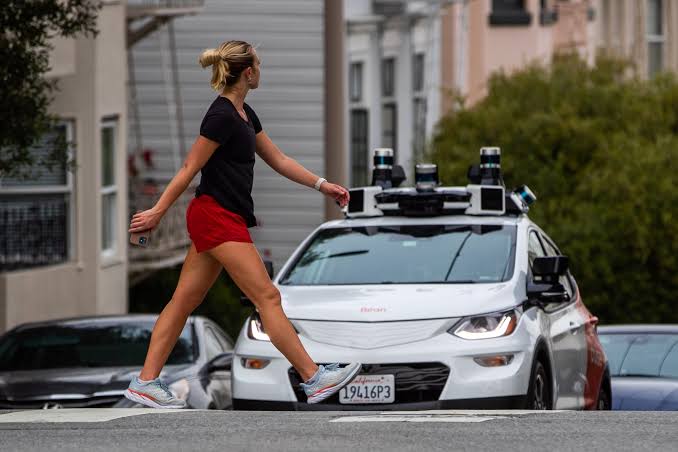
Senate Bill 480 allows autonomous vehicles to use marker lamps that indicate when their automated driving systems are active. These lights may help other drivers, pedestrians, and law enforcement recognize when a vehicle is operating autonomously.
Beginning July 1, 2026, additional requirements also apply to certain autonomous vehicles operating without a human driver. Manufacturers must provide a method for first responders to communicate with the vehicle or its remote support personnel.
Stronger Consequences in Intoxicated-Driving Cases
California has also increased certain consequences associated with serious intoxicated-driving offenses.
Assembly Bill 1087 increases the probation period for a person convicted of vehicular manslaughter or gross vehicular manslaughter while intoxicated. The probation period is now generally between three and five years rather than two years.
California has also extended its statewide Ignition Interlock Device Pilot Program for qualifying DUI offenders through January 1, 2033. An ignition interlock device requires a driver to provide a breath sample before starting a vehicle.
These changes reflect California’s continuing effort to reduce crashes caused by impaired driving.
What Should California Drivers Do in 2026?
Drivers should review the updated rules, watch for new roadway signs, and pay particular attention in school zones, construction areas, and locations where vehicles are stopped on the roadside.
Motorists should also:
- Keep license plates visible and unobstructed.
- Reduce speed around pedestrians, bicyclists, workers, and emergency personnel.
- Confirm that electric bicycles and motorcycles are legally permitted on the road.
- Avoid distractions and impaired driving.
- Move over or slow down when approaching stationary vehicles displaying warning signals.
Traffic laws can influence more than whether a driver receives a citation. A violation may also become important evidence when determining fault after an accident.
Injured in a California Traffic Accident?
Even when you follow the law, another driver’s carelessness can cause a life-changing collision. Medical bills, lost income, vehicle damage, and disputes with insurance companies can quickly become overwhelming.
Royal Law Group, PC represents individuals injured in car accidents, motorcycle accidents, truck accidents, pedestrian accidents, rideshare collisions, and other serious incidents throughout California.
Our legal team can investigate the accident, preserve important evidence, communicate with the insurance companies, and pursue the compensation you deserve.
Contact Royal Law Group, PC today for a free consultation. You pay no attorney’s fees unless we win your case.
This article is provided for general informational purposes only and does not constitute legal advice. Traffic laws and local enforcement programs may change. Consult a qualified California attorney regarding your specific circumstances.