
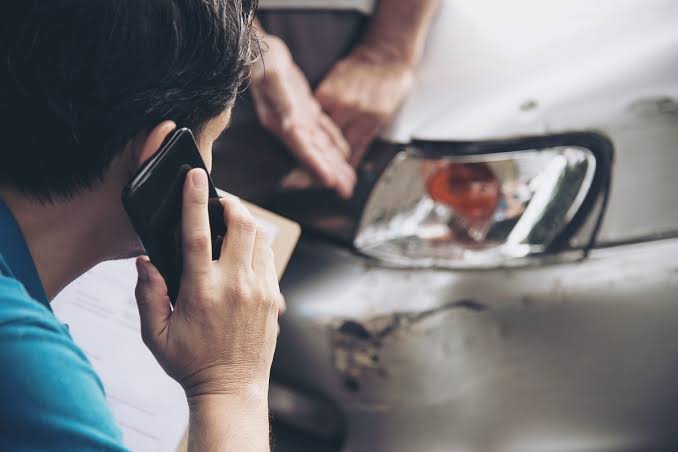
A car accident can happen in seconds, but its effects may last for months or even years. In the confusion immediately following a collision, it can be difficult to know what to do, what information to collect, or how to protect your rights.
The actions you take after a Los Angeles car accident may affect your physical recovery, insurance claim, and ability to pursue compensation. Whether the collision happens on the 405, the 101, a busy downtown intersection, or a residential street, following these steps can help protect you.
Step 1: Stop and Remain at the Accident Scene
Never leave the scene of a car accident without exchanging the required information.
Leaving after an accident—particularly one involving an injury, death, or significant property damage—may lead to serious legal consequences. Stop your vehicle as close to the accident scene as safely possible.
Turn on your hazard lights and remain calm. Avoid arguing with the other driver or confronting anyone involved.
Step 2: Move to a Safe Location When Possible
If the vehicles can be moved safely and no one appears to have a serious injury, move them out of active traffic.
The Los Angeles Police Department advises drivers to pull to the side of the roadway when it is safe and the vehicles are operable. Remaining in a traffic lane can expose everyone involved to the risk of a secondary collision.
Do not attempt to move a person who appears seriously injured unless leaving them in place would expose them to immediate danger, such as fire or moving traffic.
Step 3: Check Everyone for Injuries
Check yourself, your passengers, the other driver, pedestrians, bicyclists, and anyone else involved.
Call 911 immediately when:
- Someone is injured or unconscious.
- A person is experiencing severe pain.
- A vehicle is on fire or leaking fuel.
- The accident is blocking a dangerous section of the roadway.
- A driver appears intoxicated.
- A driver leaves the scene.
- Someone is behaving aggressively or has a weapon.
Some injuries may not be immediately noticeable because adrenaline can temporarily reduce pain. Head injuries, concussions, internal injuries, whiplash, and soft-tissue injuries may become apparent hours or days later.
Step 4: Call the Police
Request police assistance when the accident involves injuries, unsafe conditions, suspected intoxication, a hit-and-run driver, or an unlicensed motorist.
According to the LAPD, drivers should contact the police when an accident without injuries involves a hit-and-run or an unlicensed driver. When no one is injured and all drivers are properly licensed, the parties may exchange information.
Even when the police do not respond to a minor accident, you should still carefully document what happened.
When officers arrive:
- Provide truthful and factual information.
- Do not guess about details you cannot remember.
- Do not exaggerate or minimize your injuries.
- Ask how to obtain the traffic collision report.
- Write down the officer’s name, badge number, and report number.
A police report does not automatically determine who is legally responsible, but it may contain valuable information about the drivers, witnesses, road conditions, statements, and apparent violations.
Step 5: Exchange Information With the Other Driver
Collect the following information from every driver involved:
- Full name
- Current address
- Telephone number
- Driver’s license number
- Vehicle registration
- License plate number
- Insurance company
- Insurance policy number
- Vehicle make, model, year, and color
California drivers involved in a collision are generally expected to provide their driver’s license, vehicle registration, insurance information, and current address to the other parties and responding law enforcement officers.
Take clear photographs of the other driver’s license, registration, insurance card, and license plate when possible. Confirm that the insurance information has not expired.
Do not rely solely on a verbal promise that the other driver will pay for the damage privately.
Step 6: Document the Accident Scene
Evidence can disappear quickly after a collision. Vehicles may be repaired or destroyed, road conditions may change, and witnesses may become difficult to locate.
Use your phone to take photographs and videos of:
- Damage to every vehicle
- The positions of the vehicles
- Skid marks
- Broken glass and vehicle debris
- Traffic lights and stop signs
- Lane markings
- The intersection or roadway
- Weather and lighting conditions
- Construction zones
- Potholes or damaged road surfaces
- Visible injuries
- Nearby businesses and surveillance cameras
Take both close-up and wide-angle photographs. A close-up may show the severity of the damage, while a wider photograph can establish where the vehicles were positioned in relation to the road.
Do not post accident photos, videos, or comments on social media. Insurance companies may review public posts and use them to challenge your injuries or version of events.
Step 7: Obtain Witness Information
Independent witnesses may provide critical evidence when drivers disagree about what happened.
Ask witnesses for their:
- Name
- Telephone number
- Email address
- Brief description of what they observed
Do not pressure a witness to support your position. Simply preserve their contact information so that your attorney or insurance company can speak with them later.
Check whether nearby homes, businesses, parking facilities, buses, rideshare vehicles, or traffic systems may have recorded the collision. Surveillance footage is often deleted automatically, so it should be requested as quickly as possible.
Step 8: Avoid Admitting Fault
Do not apologize, accept responsibility, or make statements such as:
- “It was my fault.”
- “I did not see you.”
- “I was distracted.”
- “I am not injured.”
- “I should have stopped sooner.”
A polite statement may later be interpreted as an admission of responsibility.
You may not yet know whether the other driver was speeding, distracted, intoxicated, following too closely, or violating another traffic law. Mechanical defects, unsafe road conditions, or additional drivers may also have contributed.
Limit your conversation to checking for injuries, exchanging information, and cooperating with the police.
Step 9: Seek Medical Attention
Seek immediate emergency treatment for serious symptoms such as:
- Loss of consciousness
- Confusion or memory problems
- Difficulty breathing
- Chest or abdominal pain
- Severe headaches
- Dizziness
- Numbness or weakness
- Heavy bleeding
- Neck or back pain
- Difficulty walking
- Vision changes
Even when emergency treatment is not required, arrange a medical evaluation as soon as reasonably possible.
Tell the medical provider that you were involved in a motor vehicle accident and describe every symptom you are experiencing. Follow the recommended treatment plan, attend follow-up appointments, and complete any physical therapy or diagnostic testing.
Delaying treatment can endanger your health. It may also allow an insurance company to argue that your injuries were minor, unrelated to the accident, or caused by something else.
Step 10: Notify Your Insurance Company
Report the accident to your automobile insurance company promptly.
Provide the basic facts, including:
- The date and time of the collision
- The location
- The vehicles involved
- The police report number, when available
- The other driver’s insurance information
- Photographs and supporting records
Review your insurance policy before providing a detailed or recorded statement. Your policy may include important coverage such as collision coverage, medical payments coverage, rental reimbursement, and uninsured or underinsured motorist protection.
Be careful when communicating with the other driver’s insurance company. Its adjuster represents the insurance company—not you—and may attempt to obtain statements that reduce the value of your claim.
Step 11: File the Required California DMV Report
A police report and an insurance claim do not replace California’s DMV reporting requirement.
You, your insurance representative, or your legal representative must submit a Report of Traffic Accident Occurring in California, known as an SR-1, within 10 days when:
- Anyone was injured, even slightly;
- Someone was killed; or
- Property damage exceeded $1,000.
The SR-1 requirement applies regardless of who caused the accident and is separate from any report submitted to the police, California Highway Patrol, or an insurance company.
Failing to submit a required SR-1 report may result in the suspension of your driving privileges.
Because even relatively minor vehicle repairs can exceed $1,000, many Los Angeles accidents meet the reporting threshold.
Step 12: Report an Injury Accident to Law Enforcement
California’s Driver’s Handbook states that a collision involving an injury or death must also be reported to law enforcement within 24 hours.
This is different from the SR-1 report submitted to the DMV. Completing one reporting requirement does not necessarily complete the other.
An attorney can help determine which reports are required based on the circumstances of your accident.
Step 13: Obtain a Copy of the Police Report
If the LAPD investigated the collision, request a copy of the traffic collision report.
The LAPD currently permits eligible individuals to request traffic collision reports online or by mail. You will generally need information such as the report number, accident date, location, involved parties, or vehicle license plate number.
Review the report carefully once it becomes available. Check for errors involving:
- Your name and contact information
- Vehicle information
- Insurance details
- Accident location
- Passenger information
- Witnesses
- The officer’s description of the collision
Notify your attorney if you identify an important error or omission.
Step 14: Preserve Evidence and Keep Detailed Records
Create a file containing all accident-related documents, including:
- Police reports
- Medical records
- Medical bills
- Prescription receipts
- Repair estimates
- Towing and storage bills
- Rental vehicle receipts
- Insurance correspondence
- Photographs and videos
- Witness information
- Employment and wage-loss records
- Transportation expenses
You should also keep a written journal documenting your symptoms, treatment, sleep difficulties, emotional distress, physical limitations, and activities you can no longer perform.
These records may help demonstrate how the accident affected your daily life.
Step 15: Do Not Sign a Quick Settlement Without Understanding It
An insurance company may offer a settlement shortly after the collision.
Although receiving fast payment may sound appealing, early settlement offers may not account for:
- Future medical treatment
- Physical therapy
- Surgery
- Lost earning capacity
- Permanent disability
- Continuing pain
- Emotional distress
- Long-term vehicle or transportation expenses
Once you sign a full release, you will generally be unable to request additional compensation later—even if your condition becomes worse.
Have an experienced Los Angeles car accident lawyer review any settlement or release before you sign it.
Common Mistakes to Avoid After a Los Angeles Car Accident
Avoiding these mistakes may help protect your claim:
Leaving the Scene Too Soon
Remain at the scene until you have fulfilled your legal obligations and exchanged the necessary information.
Failing to Collect Evidence
Do not assume the police or another person will document everything for you.
Delaying Medical Care
Waiting too long can harm your health and create questions about whether the collision caused your injuries.
Giving a Recorded Statement Without Preparation
An adjuster may ask confusing, incomplete, or leading questions. Speak with an attorney before giving a detailed recorded statement to another driver’s insurer.
Posting on Social Media
Photographs, location check-ins, comments, and activity updates may be taken out of context and used against you.
Accepting a Settlement Too Quickly
You may not know the full extent of your injuries or losses immediately after the accident.
Missing Reporting Requirements
Remember that police, insurance, and DMV reports may be separate obligations.
Repairing or Disposing of the Vehicle Too Soon
The damaged vehicle may contain valuable evidence about the force, direction, and cause of the collision. Speak with an attorney before authorizing destruction or disposal in a serious injury case.
What Compensation May Be Available?
The compensation available after a Los Angeles car accident depends on the facts of the case and the insurance coverage involved.
A claim may include compensation for:
- Emergency medical care
- Hospital treatment
- Doctor visits
- Surgery
- Physical therapy
- Prescription medications
- Future medical expenses
- Lost wages
- Reduced earning ability
- Vehicle repairs or replacement
- Towing and rental vehicle expenses
- Physical pain
- Emotional distress
- Loss of enjoyment of life
- Permanent disability or disfigurement
When a collision results in death, eligible surviving family members may also be able to pursue a wrongful death claim.
What If the Other Driver Was Uninsured?
Do not assume that compensation is unavailable simply because the other driver did not have insurance.
Your own policy may include uninsured motorist coverage or underinsured motorist coverage. These protections may apply when:
- The at-fault driver has no insurance.
- The driver has insufficient insurance.
- The accident was caused by an unidentified hit-and-run driver.
Uninsured motorist claims are made through your own insurer, but disagreements can still arise regarding fault, injuries, treatment, and claim value.
What If You Were Partially Responsible?
Being partially responsible for an accident does not necessarily prevent you from recovering compensation.
Multiple parties may share responsibility for a collision. The actions of each driver must be investigated carefully before fault can be properly evaluated.
Do not accept an insurance company’s percentage of fault without reviewing the evidence.
When Should You Contact a Car Accident Lawyer?
Consider speaking with an attorney as soon as possible when:
- You or a passenger was injured.
- The other driver disputes responsibility.
- The insurance company blames you.
- A commercial truck or company vehicle was involved.
- The accident involved an Uber or Lyft vehicle.
- The driver was uninsured or underinsured.
- The accident involved a pedestrian, bicyclist, or motorcyclist.
- Your injuries may require ongoing treatment.
- A family member was killed.
- The insurer has delayed, denied, or undervalued the claim.
- You are being asked to sign a release.
Early legal assistance can help preserve surveillance footage, vehicle data, witness testimony, medical documentation, and other evidence before it disappears.
Injured in a Los Angeles Car Accident?
You should not have to handle medical treatment, lost income, vehicle damage, and aggressive insurance companies alone.
Royal Law Group, PC represents individuals and families injured in car accidents throughout Los Angeles and across California. Our legal team can investigate the collision, preserve evidence, identify responsible parties, communicate with insurance companies, and pursue the compensation you deserve.
Contact Royal Law Group, PC today for a free consultation. There are no attorney’s fees unless we win your case.
This article is provided for general informational purposes only and does not constitute legal advice. Every accident is different. Speak with a qualified California attorney regarding your specific circumstances.